
Seasonal Security Tips San Antonio – How to Protect Your Home Year-Round
San Antonio residents face unique security challenges as temperatures shift, holidays arrive, and travel plans take families away from home. Whether you are preparing for a summer vacation, hosting guests during the winter holidays, or simply adjusting to seasonal routines, your home security needs change throughout the year. Understanding these patterns helps you stay one step ahead of opportunistic threats. This guide delivers practical seasonal security tips San Antonio homeowners can implement immediately, covering everything from vacation lock tips to holiday security protocols and year-round best practices.
A professional locksmith familiar with local conditions can assess vulnerabilities specific to your property and recommend targeted upgrades. The goal is not to overwhelm you with generic advice but to provide actionable steps that match the rhythm of life in San Antonio.
Why Do Homes Become More Vulnerable During Holiday Travel?
When families leave for holiday gatherings or extended vacations, homes display telltale signs of absence. Accumulated mail, newspapers in the driveway, dark windows at night, and overgrown lawns all signal that nobody is watching. Burglars actively look for these patterns during peak travel seasons. The combination of valuable gifts inside homes and predictable absence creates ideal conditions for break-ins.
Robust holiday security protocols address these vulnerabilities before you leave. The City of San Antonio specifically advises residents to lock all doors, windows, and garages before traveling. This includes interior garage doors, side gates, and any secondary entry points often overlooked during routine departures.
Which Entry Points Do Most Homeowners Forget to Secure Before Vacations?
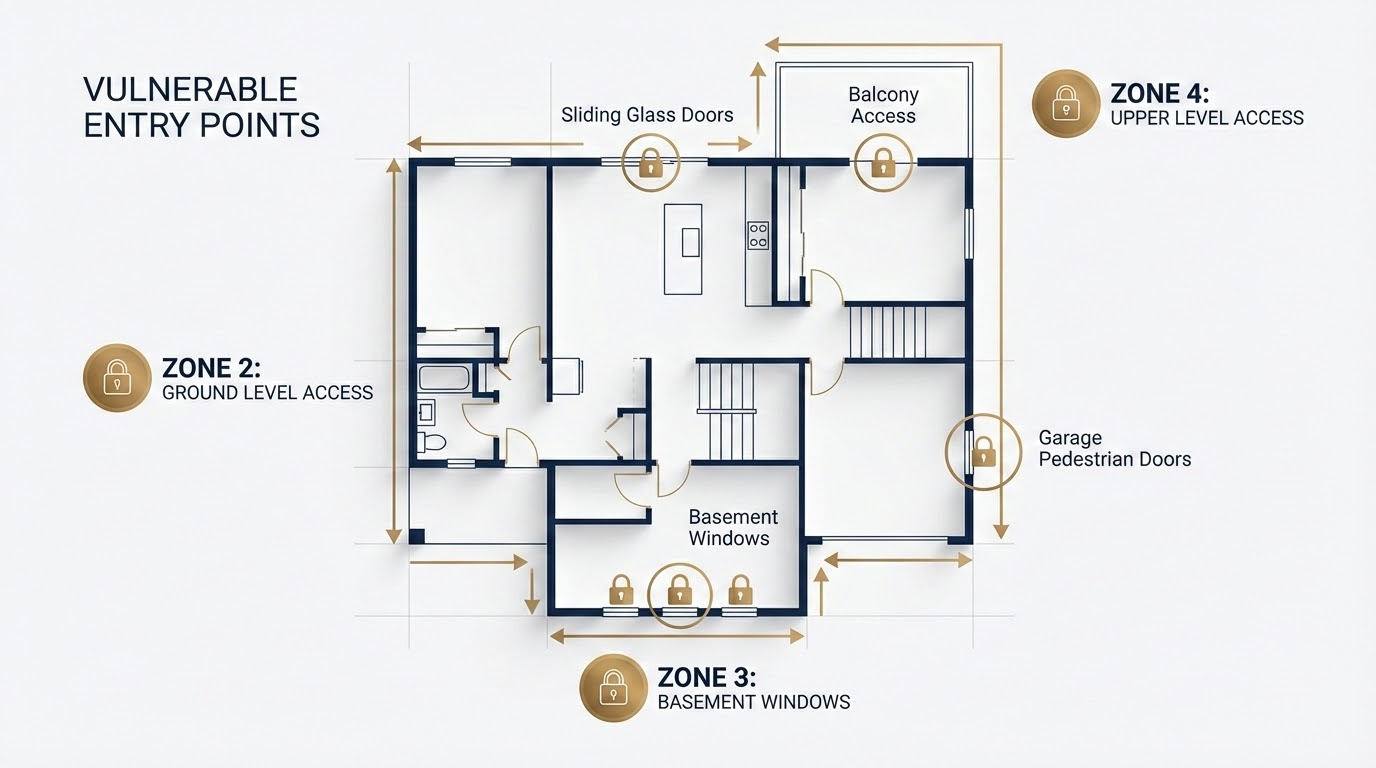
Front doors receive attention, but vacation lock tips extend far beyond the main entrance. Sliding glass doors, basement windows, attached garage pedestrian doors, and second-floor balcony access points frequently remain unlocked or inadequately secured. Each represents a potential weakness that experienced intruders recognize.
What Should You Check on Your Primary Door Before Leaving Town?
Examine the door frame for signs of wear or previous forced entry attempts. Check that the deadbolt extends fully into the strike plate and that the strike plate itself is secured with three-inch screws reaching into the wall studs rather than just the door frame. Verify that hinges are not exposed on the exterior where pins could be removed. A door that rattles or shows daylight around edges needs professional attention before you travel.
How Should You Handle Spare Keys to Avoid Creating Security Gaps?
Hiding a spare key under a doormat, flowerpot, or fake rock invites trouble. Intruders know every common hiding spot. Instead, leave a spare with a trusted neighbor or family member who can respond if needed. If you use a lockbox, choose one with a reinforced shackle and place it out of direct sight. Better still, consider a keypad or smart lock that allows temporary codes for trusted individuals without physical key distribution.
How Can You Prevent Package Theft During Peak Shipping Seasons?
Holiday shopping generates a surge in home deliveries, and porch pirates know it. A package sitting on a doorstep for hours broadcasts both absence and the presence of something worth stealing. Proactive measures reduce this risk significantly.
Schedule deliveries for times when someone will be home or redirect packages to a secure pickup location. Many carriers offer signature-required options for valuable items. Ask a neighbor to collect packages daily if you are away. Motion-activated cameras and video doorbells create visible deterrents and provide evidence if theft occurs.
Why Does Disposing of Packaging Boxes Require Attention?
Leaving a large television or electronics box at the curb advertises exactly what is now inside your home. The City of San Antonio advises residents to break down and cut up boxes before disposal, keeping new purchases out of view from passersby. This simple step removes the visual cue that invites follow-up burglary attempts.
What Mail Management Strategies Prevent Signs of Vacancy?
Overflowing mailboxes clearly indicate no one is home. The USPS Hold Mail service allows you to pause delivery for up to thirty days while traveling. According to USPS guidelines, you can schedule a hold online or at your local post office, specifying exact start and end dates.
For ongoing awareness even when not holding mail, USPS Informed Delivery provides daily email previews of incoming mail and package tracking. This free service lets you monitor what should arrive and detect missing items quickly. If mail is stolen, report it immediately through the United States Postal Inspection Service reporting portal.
Does Exterior Lighting Actually Deter Intruders?
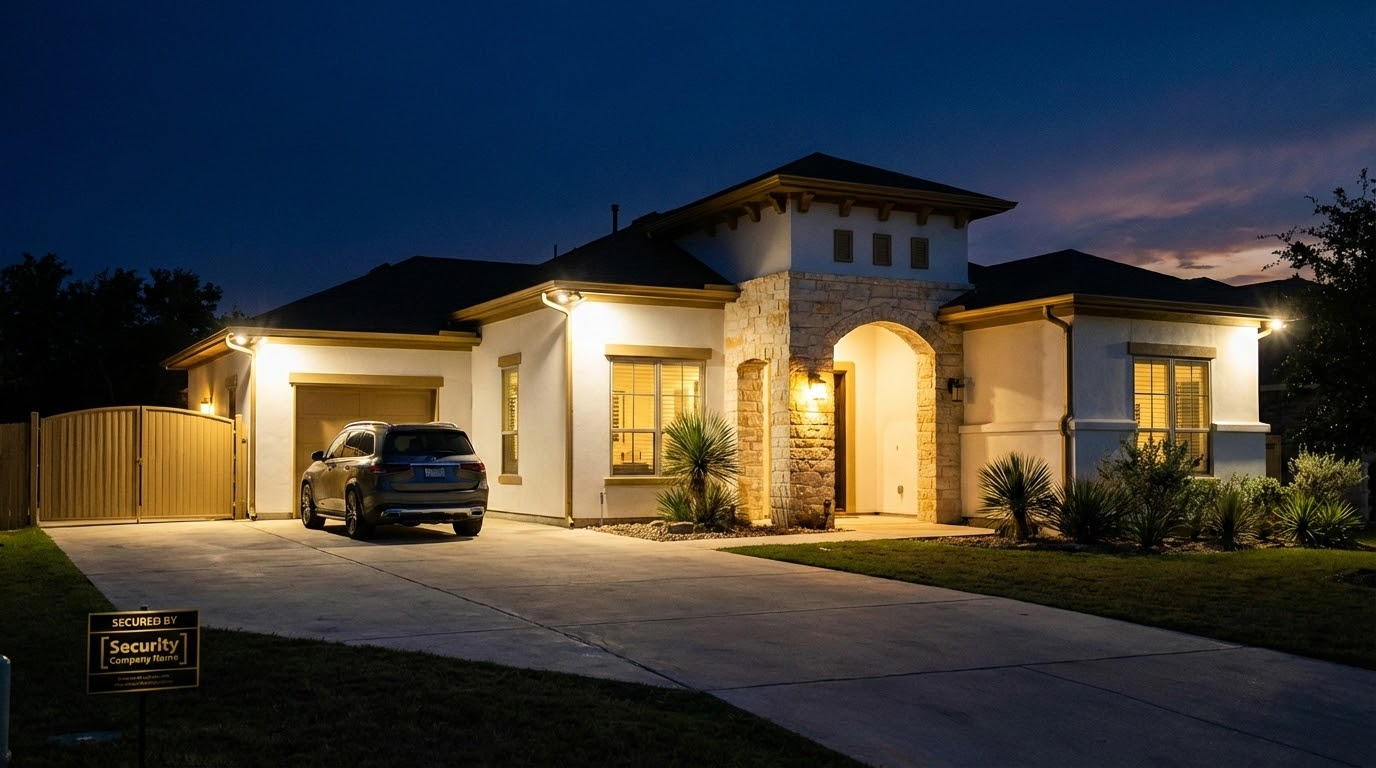
Yes, but only when implemented thoughtfully. A single porch light left on twenty-four hours a day does little to suggest occupancy. Varied lighting controlled by timers or smart home systems creates the appearance of normal activity. Set lights in multiple rooms to turn on and off at different times throughout the evening.
Motion-activated flood lights covering entry points, driveways, and side yards serve dual purposes. They surprise anyone approaching unexpectedly and draw neighbor attention to unusual activity. Combine lighting with trimmed landscaping that eliminates hiding spots near windows and doors.
What Heating Safety Concerns Affect San Antonio Homes in Winter?
While San Antonio winters are generally mild, cold snaps prompt residents to use space heaters and fireplaces they may not have touched in months. This seasonal shift creates fire hazards that threaten both property and life. The Texas Department of Insurance emphasizes the three-foot rule: keep anything that can burn at least three feet away from heating equipment.
Additional seasonal lock advice for winter includes ensuring that emergency exits remain accessible and functional even when rarely used. Doors and windows that have not been opened in months may stick, warp, or have locks that malfunction when you most need them.
Which Heating Mistakes Create the Greatest Fire Risks?
Plugging space heaters into extension cords or power strips overloads circuits and causes fires. Always plug heaters directly into wall outlets. Never leave heaters running unattended or while sleeping. Using an oven or stovetop to heat your home introduces carbon monoxide risks and fire danger. The Texas Department of Insurance space heater guidelines provide comprehensive safety checklists for winter heating.
How Does Vehicle Security Tie Into Seasonal Home Protection?
Holiday shopping trips create opportunities for vehicle break-ins at malls, parking lots, and even in your own driveway. Thieves target cars loaded with purchases, especially during the extended shopping hours typical of holiday seasons. The Texas Department of Public Safety advises locking vehicles, parking in well-lit areas, hiding valuables in trunks before arriving at destinations, and never leaving vehicles running unattended.
Local news reports confirm that San Antonio sees increased vehicle burglary activity during holiday shopping periods. A break-in that yields your garage door opener or house keys escalates from property crime to home invasion risk. Treat vehicle security as an extension of overall home protection.
When Should You Reassess Home Locks After Winter?
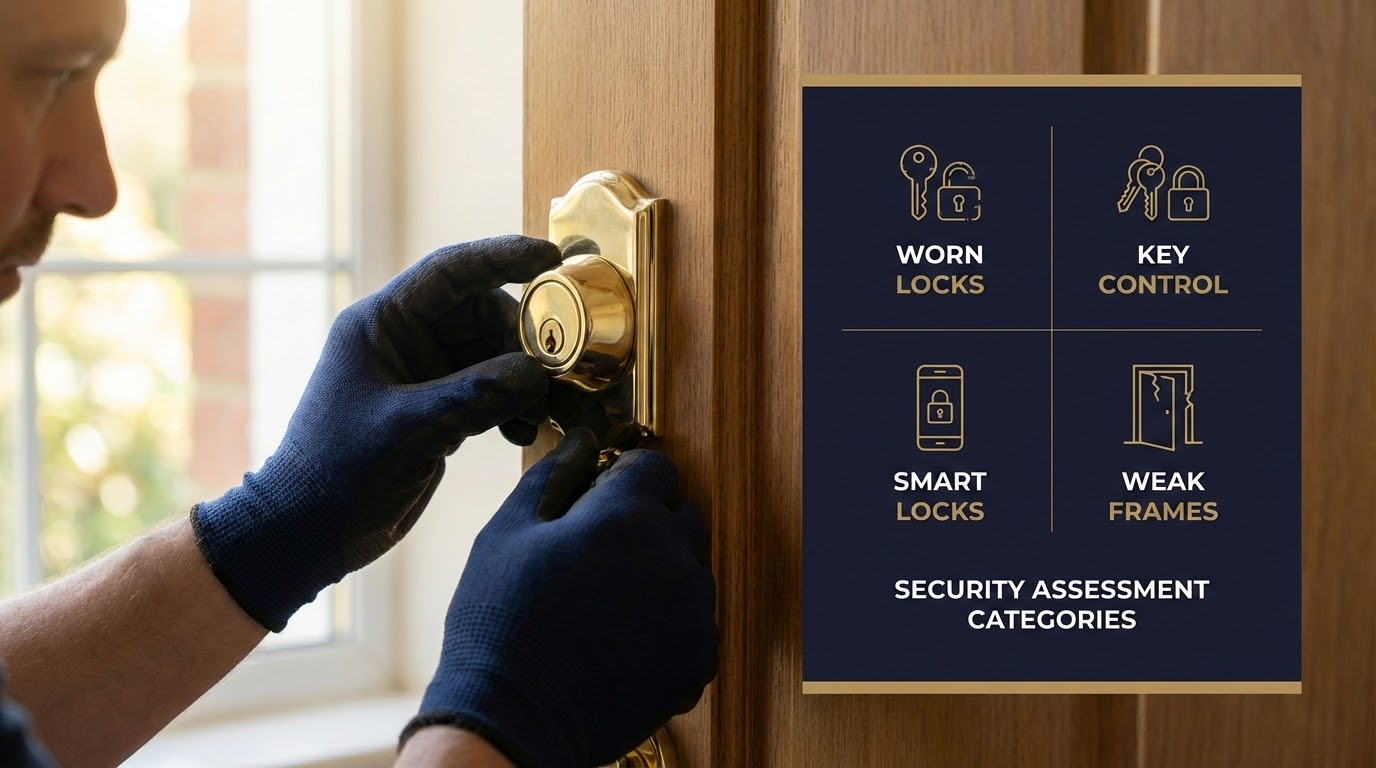
Spring offers an ideal opportunity to evaluate lock performance after months of temperature fluctuations. Locks that felt sluggish during cold weather may have underlying issues that worsened over winter. Deadbolts should operate smoothly without excessive force. Keys should insert and turn without resistance or grinding sensations.
An immediate response locksmith can inspect existing hardware, recommend upgrades where needed, and address problems before summer travel season begins. Common spring upgrades include high-security deadbolts with bump-resistant cylinders, smart locks offering temporary access codes for house sitters, and reinforced strike plates.
| Security Need | How Professional Assessment Helps |
|---|---|
| Worn or sticky locks | Identifies whether repair, lubrication, or replacement is most cost-effective |
| Key control concerns | Recommends rekeying or restricted keyway systems to prevent unauthorized duplication |
| Smart lock interest | Evaluates door compatibility and suggests models suited to your usage patterns |
| Weak door frames | Provides reinforcement options that address the most common forced-entry method |
Are Sliding Doors and Windows Secure Enough for Summer?
Warmer weather encourages leaving windows and sliding doors open for ventilation, sometimes overnight. This habit creates obvious access points. Even when closed, many sliding doors rely on flimsy latches easily defeated with simple tools.
Secondary blocking bars or pins prevent sliding doors from being forced open even if the primary latch fails. Window locks should engage fully, and screens should never be considered security barriers. Consider window sensors that alert you when openings occur unexpectedly.
What Outdoor Security Steps Matter Most in Summer Months?
Sheds, detached garages, and outdoor storage units often contain valuable tools and equipment. Padlocks on these structures should be hardened steel, shackle-protected, and sized appropriately for the hasp. Flimsy locks invite cutting tools and pry bars.
Gates providing side-yard access deserve attention as well. A locked front door means little if intruders simply walk through an open gate to reach vulnerable rear windows. Good outdoor lighting extends security coverage beyond the immediate entry points to cover the entire perimeter.
How Do Seasonal Scams Threaten San Antonio Residents?
Holiday periods bring increased scam activity targeting both online shoppers and homeowners. Fraudulent delivery notifications, fake charity solicitations, and too-good-to-be-true online deals all surge during gift-buying seasons. The FBI warns about common holiday scam patterns including non-delivery scams, social media shopping fraud, and reshipping schemes.
Locksmith-related scams also increase when people face holiday lockouts. Unlicensed operators advertising impossibly low prices often charge dramatically more upon arrival or perform unnecessary work. Knowing how to identify legitimate services protects you from both financial loss and poor-quality work.
What Defines a Legitimate Locksmith in Texas?
Texas law requires locksmiths to hold proper licensing through the Department of Public Safety. Under Texas Occupations Code, acting as a locksmith means selling, installing, servicing, or maintaining mechanical security devices, or holding oneself out as providing such services. Locksmith companies must also meet specific registration requirements.
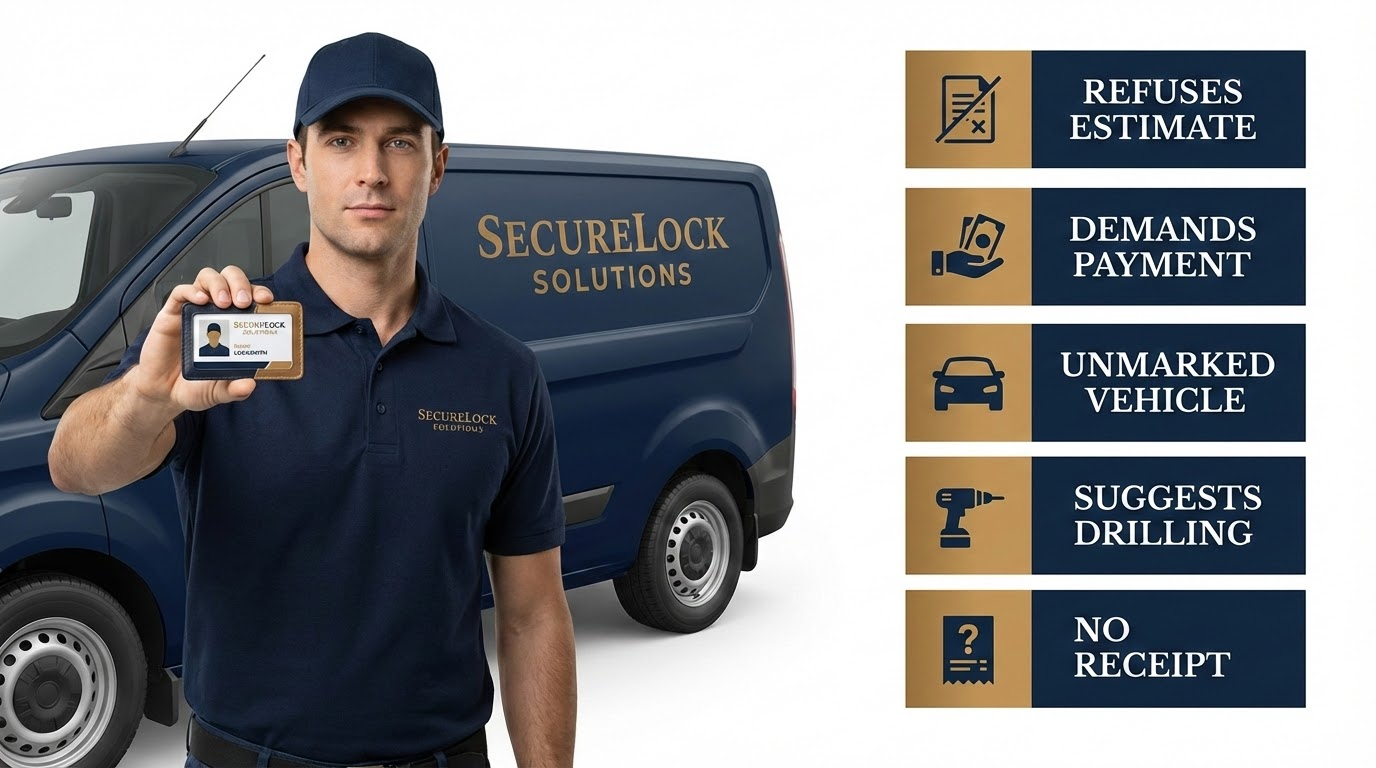
Before hiring anyone for lock work, verify licensing status, request a written estimate before work begins, and expect the technician to arrive in a marked vehicle with proper identification. Legitimate professionals welcome these questions because they distinguish them from fly-by-night operators.
| Warning Sign | What It Suggests |
|---|---|
| Refuses to provide estimate | Likely planning to inflate price after starting work |
| Demands payment before completion | May abandon job or perform substandard work |
| Unmarked vehicle, no ID | Possibly unlicensed or operating under false business name |
| Immediately suggests drilling | May lack skills for non-destructive entry methods |
| Cannot provide receipt or invoice | No accountability for work performed |
Need a Licensed Locksmith You Can Trust?
Texas License #B16307. Verified credentials. Upfront pricing always.
What Should You Ask Before Hiring an Emergency Locksmith?
Lockout situations create pressure that scammers exploit. Taking sixty seconds to ask the right questions protects you from regret. Request a total price range including any after-hours or holiday surcharges. Ask whether there is a service call fee if they cannot complete the job. Confirm the company name that will appear on your credit card statement.
A reputable immediate response locksmith provides clear answers without evasion. If the person on the phone cannot give you a price range or deflects to “the technician will determine that on-site,” consider calling someone else.
When Does Rekeying Make More Sense Than Lock Replacement?
Rekeying changes the internal pin configuration of a lock cylinder so that old keys no longer work while new keys operate the lock. The exterior hardware remains in place. This option makes sense when you have quality locks already installed but need to invalidate existing keys—after moving into a new home, ending a roommate arrangement, or losing track of who has copies.
Under Texas Property Code § 92.156, landlords must rekey locks within seven days of each new tenant taking possession. This legal requirement exists precisely because key control matters for security. Homeowners benefit from applying the same principle whenever occupancy changes or keys may have been compromised.
Full lock replacement becomes necessary when existing hardware is worn, damaged, outdated, or insufficient for your security needs. A locksmith experienced with San Antonio properties can evaluate your specific situation and recommend the most practical approach.
Why Is a Deadbolt Essential for Year-Round Security?
Deadbolts provide significantly more resistance to forced entry than spring-latch doorknobs alone. The bolt extends deep into the door frame, requiring substantially more force to defeat. During high-risk seasons like holidays and summer vacations, this added protection matters most because homes face elevated targeting.
Not all deadbolts offer equal protection. Grade 1 deadbolts meet the highest residential security standards. Proper installation matters as much as the lock itself—a high-quality deadbolt mounted in a weak frame or short strike plate provides false confidence rather than real security.
What Is Strike Plate Reinforcement and Why Does It Matter?
The strike plate is the metal piece mounted on your door frame that receives the deadbolt. Standard strike plates use short screws that only grip the door frame, not the underlying wall studs. A solid kick can split the frame and pop the door open regardless of how strong your lock is.
Reinforced strike plates use longer screws that anchor into studs, dramatically increasing kick resistance. This relatively inexpensive upgrade addresses the most common residential break-in method. Combined with a quality deadbolt, reinforced strike plates provide layered protection that deters opportunistic intruders.
Frequently Asked Questions
How often should I have my home locks inspected?
Annual inspection catches developing problems before they cause lockouts or security failures. Schedule assessments in spring before vacation season or in fall before holiday gatherings when your home sees increased guest traffic.
Can smart locks be hacked?
Quality smart locks from reputable manufacturers use encryption and security protocols that resist common attacks. Risks increase with weak PIN codes, shared access links, and outdated firmware. Proper setup and maintenance minimize vulnerabilities.
What should I do if I get locked out at night during a holiday?
First, check for any safely accessible unlocked entry point. Then call a licensed locksmith, request a total price estimate including after-hours fees before authorizing work, and ask for identification when the technician arrives.
Is it worth rekeying locks when moving into a new home?
Absolutely. You cannot know how many copies of existing keys were made by previous owners, contractors, cleaners, or neighbors. Rekeying eliminates this uncertainty at a fraction of the cost of full lock replacement. Texas Property Code § 92.156 requires landlords to rekey for this very reason.
How do I know if my deadbolt is high quality?
Look for ANSI/BHMA grading on the packaging or manufacturer specifications. Grade 1 offers the highest residential security. If you cannot determine the grade, a locksmith can evaluate the lock and recommend upgrades if needed.
Do motion-sensor lights really prevent break-ins?
They serve as effective deterrents by eliminating dark approach paths and drawing attention to movement near your home. Combined with other measures like quality locks and maintained landscaping, they contribute to a comprehensive security posture.
How quickly can a locksmith respond in San Antonio?
Immediate Response Locksmith typically arrives within 15-30 minutes throughout San Antonio and surrounding areas including Alamo Heights, Leon Valley, and Schertz. Emergency service is available 24 hours a day, 7 days a week.
Ready to Strengthen Your Home Security?
Every season presents distinct security challenges. Get a professional assessment before problems occur.
Every season presents distinct security challenges for San Antonio homeowners. Addressing vulnerabilities before peak risk periods puts you in control rather than reacting to problems after they occur. Whether you need a lock assessment, rekeying after a recent move, smart lock installation, or emergency lockout service, professional guidance tailored to your property makes a measurable difference.
Have questions about which upgrades fit your situation or want to schedule a security evaluation? Contact our team for straightforward answers and reliable service throughout San Antonio, New Braunfels, Schertz, Boerne, and all surrounding communities.