
Safe Locksmith San Antonio – Expert Vault and Safe Opening Services
When your business safe refuses to open or your vault door mechanism jams unexpectedly, you realize that safes and vaults are far more complex than standard lock-and-key systems. A safe locksmith San Antonio professional specializes in these intricate security devices that protect your most valuable assets. Unlike residential door locks, safes incorporate multiple layers of protection including hardened steel plates, relocker mechanisms, and sophisticated locking systems designed to resist forced entry attempts.
The complexity of modern safes demands specialized expertise that goes beyond general locksmith training. From forgotten combinations to electronic keypad failures and damaged bolt mechanisms, each situation requires precise diagnostic skills and specialized tools. Businesses, financial institutions, jewelry stores, and homeowners with high-security needs throughout San Antonio rely on safe specialists who understand these unique challenges.
What Makes Safe and Vault Mechanisms Different from Standard Locks?
Standard door locks operate on relatively simple pin tumbler or wafer mechanisms. Safes and vaults, however, employ multiple security layers working in concert. A typical commercial safe might combine a manipulation-resistant lock, glass relockers that trigger if drilling is attempted, hardplate barriers, and precision-machined bolt work. Understanding these components requires years of specialized training.
Vault doors add another dimension of complexity with their massive construction, multiple locking bolts extending into reinforced frames, and often time-delay mechanisms. A vault locksmith must understand not only the locking mechanism but also the structural engineering behind these systems. This specialized knowledge determines whether a safe can be opened without damage or requires more invasive methods.
Why Choose a Licensed and Specialized Safe Locksmith?
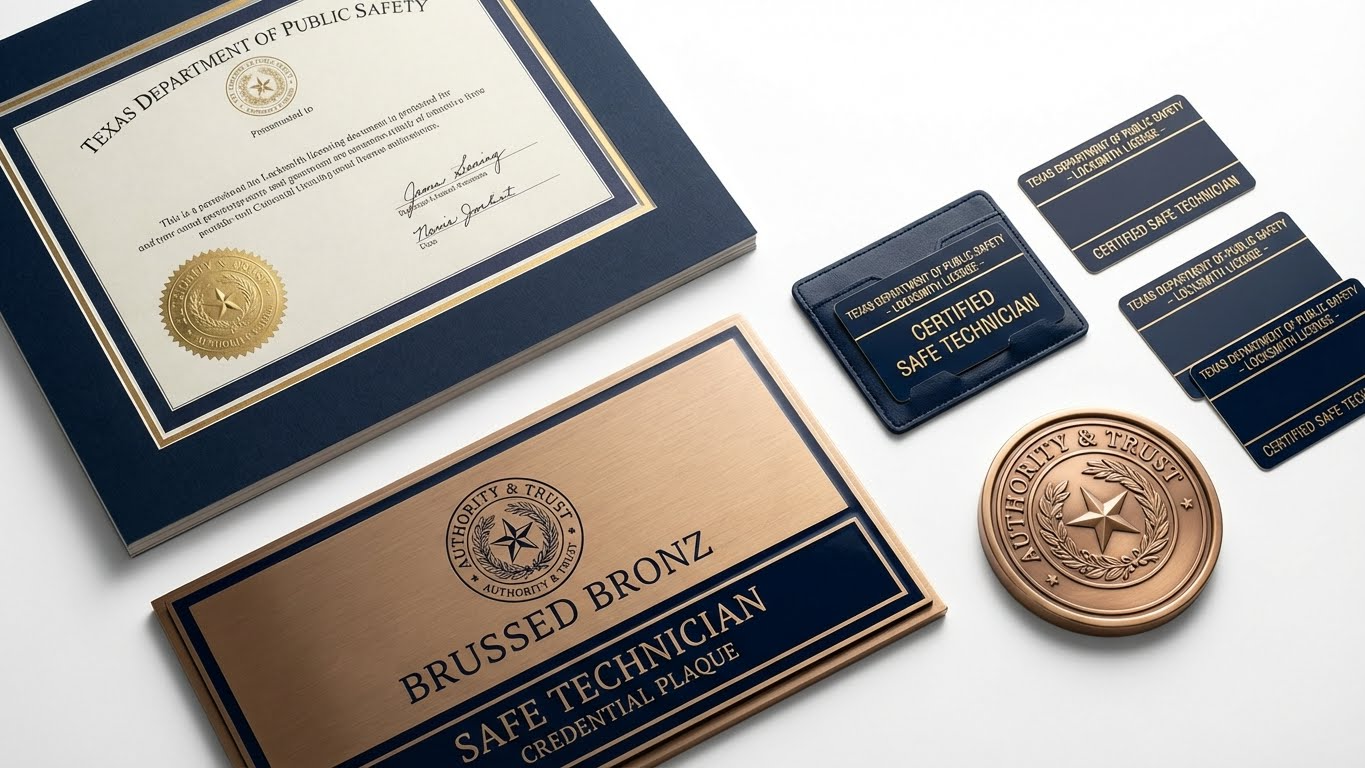
Texas regulates locksmiths under the Private Security Program administered by the Texas Department of Public Safety. According to Texas Occupations Code Section 1702.221, individuals performing locksmith services must hold appropriate licensing. This regulatory framework exists to protect consumers from unqualified individuals who might damage expensive safes or compromise security.
Choosing a licensed safe technician ensures you work with someone who has undergone background checks and demonstrated competency. The Texas DPS maintains a searchable database where you can verify any locksmith license before authorizing work on your safe or vault.
The Importance of Licensing and Certification
Beyond state licensing, reputable safe specialists often hold certifications from industry organizations. These credentials indicate advanced training in specific safe types, electronic lock systems, and non-destructive entry techniques. When evaluating a safe locksmith San Antonio provider, ask about both state licensing and additional certifications related to safe work.
You can verify Texas locksmith licenses through the Texas DPS TOPS online portal. This simple step helps ensure you hire a legitimate professional rather than someone operating outside legal requirements.
The Dangers of Unlicensed Locksmiths and Scams
The Federal Trade Commission has warned consumers about locksmith scams involving bait-and-switch pricing and unnecessary damage. Common tactics include quoting extremely low prices over the phone, then dramatically increasing charges once on-site. Some operators immediately resort to drilling when non-destructive methods would work perfectly well.
The Better Business Bureau reports that legitimate safe specialists always explain their process, provide detailed written estimates, and use drilling only as a last resort. If a technician insists on drilling before trying other methods, consider this a significant warning sign.
How Quickly Can an Immediate Response Locksmith Arrive for Safe Emergencies?
When a safe emergency strikes during business hours, every minute matters. At Immediate Response Locksmith San Antonio, we prioritize urgent calls with typical arrival times of 15-30 minutes throughout the greater San Antonio area. Rather than accepting vague promises of instant arrival, we provide specific estimated time windows based on your location and current technician availability.
Our emergency safe services dispatch technicians equipped with specialized tools for safe work. A general locksmith responding to a safe emergency without proper equipment often results in delays or unnecessary damage. When you call us, confirm that the responding technician has experience with your specific safe type before authorizing any work.
What Services Does a Comprehensive Safe Specialist Provide?
Professional safe services extend far beyond emergency openings. A qualified safe specialist handles everything from routine combination changes to complete lock upgrades and physical relocations. Understanding the full range of available services helps you maintain your safes proactively rather than reactively.
| Service Category | What It Includes | When You Need It |
|---|---|---|
| Safe Opening | Non-destructive entry, manipulation, decoding | Lost combination, lockout, electronic failure |
| Safe Repair | Lock replacement, dial repair, bolt adjustment | Worn components, jamming, erratic operation |
| Combination Change | Reset mechanical or electronic codes | Employee turnover, security concerns |
| Lock Upgrade | Convert mechanical to electronic or vice versa | Modernization, audit trail requirements |
| Installation | Proper placement, anchoring, testing | New safe purchase, relocation |
| Relocation | Safe moving with specialized equipment | Office moves, repositioning |
Safe Opening and Repair Techniques
Professional safe technicians approach lockouts methodically, starting with the least invasive methods. Manipulation involves detecting the subtle feedback from lock components to determine the combination. Electronic safe failures often stem from dead batteries or keypad malfunctions that a skilled technician can resolve without opening the lock itself.
When non-destructive methods prove impossible, controlled drilling through specific points allows access while minimizing damage. After opening, the safe can typically be repaired with a new lock mechanism, restoring full functionality. A reputable technician explains which approach they recommend and why before beginning work.
Safe Installation and Relocation Considerations
Proper safe installation involves more than simply placing a heavy box in your office. Security standards recommend anchoring safes to concrete floors or structural walls to prevent removal. The installation location should allow full door swing while remaining inconspicuous. Professional installers assess floor load capacity, especially for heavier commercial safes.
Relocating safes requires specialized equipment including heavy-duty dollies, stair-climbing machines, and sometimes cranes for vault doors. Improper moving techniques can damage both the safe mechanism and your property. The weight distribution during transport affects the delicate internal components that make your safe secure.
When Should You Change Your Safe Combination?
Regular combination changes represent a fundamental security practice that many businesses neglect. Any time an employee with safe access leaves your organization, the combination should be changed immediately. Even without personnel changes, periodic updates every six to twelve months reduce the risk of compromised codes.
Whether you need a new combination set or are considering an upgrade to an electronic lock for your existing safe, professional services ensure the change is completed correctly. Electronic locks offer advantages like audit trails and multiple user codes, while mechanical locks provide reliability without battery dependence. A safe locksmith San Antonio specialist can help determine which option best suits your operational needs.
What Distinguishes a Vault Locksmith from a Safe Technician?
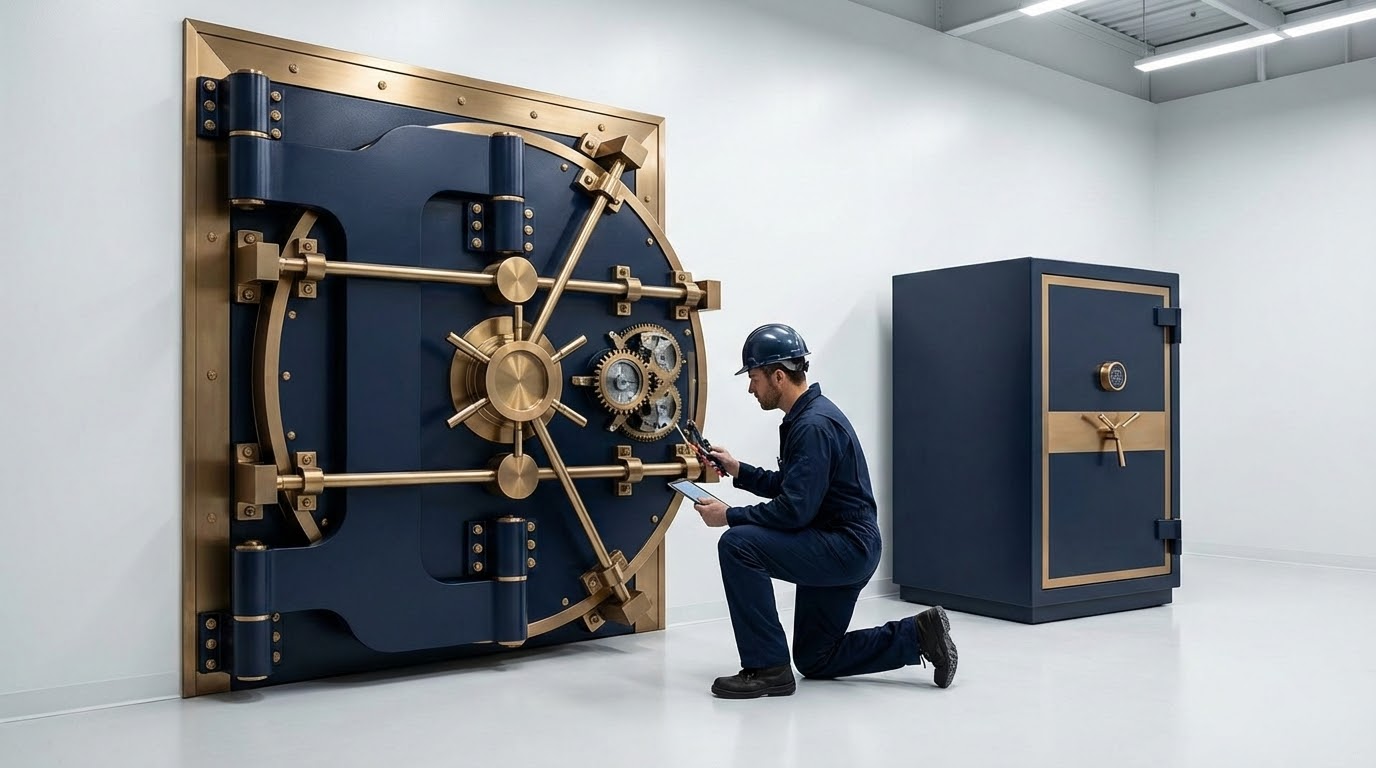
While the terms are sometimes used interchangeably, vault locksmith services address the unique challenges of vault doors and modular vault systems. Vaults are essentially walk-in safes, often custom-built into building structures. Their doors can weigh thousands of pounds and incorporate locking mechanisms far more complex than standalone safes.
Vault doors typically feature multiple bolt throws extending into reinforced frames, time-delay locks, and dual-control mechanisms requiring two people to open. The structural integration means vault work often involves coordination with building systems. Banks, jewelry wholesalers, and cannabis dispensaries commonly require vault locksmith expertise.
Vault System Components and Maintenance
A vault system includes not just the door but also the surrounding modular panels, ventilation systems, and often electronic access controls. Regular maintenance prevents the kind of failures that can lock employees out of critical inventory or cash reserves. Lubrication of bolt work, testing of time-delay functions, and verification of emergency release mechanisms all require specialized knowledge.
The UL 608 standard governs vault door construction and testing, establishing classifications based on resistance to attack. Understanding these ratings helps businesses select appropriate vault protection and ensures technicians approach service with proper respect for the security engineering involved.
How Do UL Ratings Affect Safe Security and Service?
Underwriters Laboratories establishes testing standards that define safe security levels. The UL 687 standard for burglary-resistant safes creates classifications like TL-15 and TL-30, indicating the safe resisted professional attack with common tools for 15 or 30 minutes respectively. Higher ratings like TRTL-30 add torch resistance to the testing protocol.
These ratings matter for service because they indicate the construction quality and security features a technician will encounter. A TL-30 rated safe contains hardplate, relockers, and other barriers that require specific approaches. Attempting to open such a safe without understanding its protections often results in permanent lockout when relockers trigger.
| UL Rating | Meaning | Typical Applications |
|---|---|---|
| RSC | Residential Security Container (5 minutes) | Home safes, small business |
| TL-15 | Tool resistant 15 minutes | Retail, small commercial |
| TL-30 | Tool resistant 30 minutes | Jewelry, high-value inventory |
| TRTL-30 | Tool and torch resistant 30 minutes | Financial institutions |
| TXTL-60 | Tool, torch, explosive resistant 60 minutes | High-security vaults |
Fire Ratings and Combined Protection
Many safes carry both burglary and fire ratings. A safe rated 350-1 maintains internal temperatures below 350 degrees Fahrenheit (protecting paper documents) for one hour of fire exposure. Fire safes use insulating materials that can complicate service work. Drilling through fire barriers requires specific techniques to avoid compromising the fire protection.
When selecting a safe technician, confirm they understand both security and fire protection aspects of your specific safe model. Improper repairs can void fire ratings, leaving your documents vulnerable despite the safe appearing functional.
What Types of Commercial Safes Require Specialized Service?
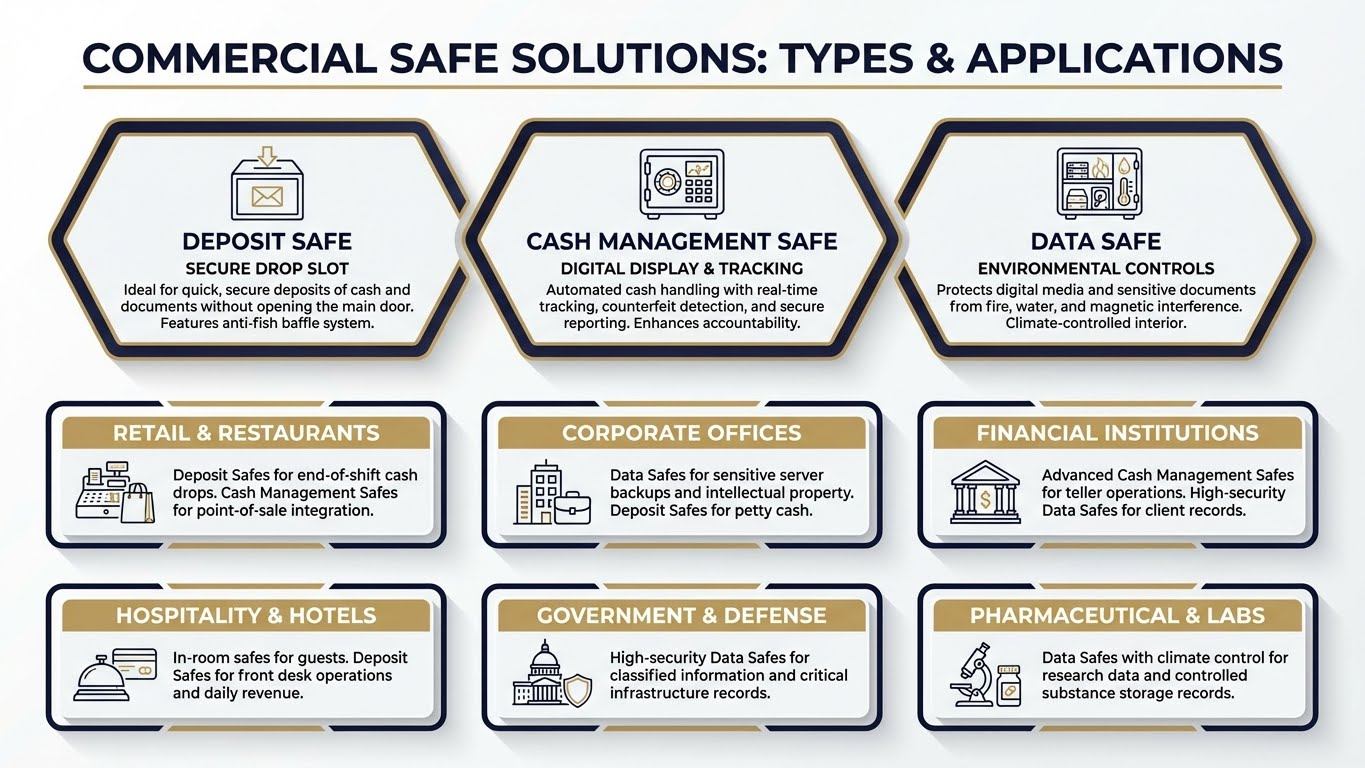
Commercial environments use various safe types, each with distinct service requirements. Deposit safes allow employees to drop cash or documents without accessing the main compartment, reducing internal theft risk. These safes feature anti-fish baffles and drop mechanisms that can jam or malfunction with heavy use.
Cash management safes add counting and validation technology, connecting to point-of-sale systems for automated reconciliation. These sophisticated units combine mechanical safe components with electronic systems, requiring technicians comfortable with both disciplines. Data safes protecting digital media maintain specific humidity and temperature conditions, adding environmental considerations to service protocols.
Need Professional Safe or Vault Service?
Licensed technicians with 15+ years experience. Available 24/7 throughout San Antonio.
Common Mistakes When Attempting to Open a Locked Safe
Business owners sometimes try resolving safe lockouts themselves before calling professionals. While understandable, certain actions can transform a simple service call into an expensive repair or replacement. Understanding what not to do protects your investment and speeds eventual resolution.
Repeated incorrect combination attempts on electronic safes trigger lockout delays, sometimes lasting 20 minutes per failed try. Forcing the handle when the bolt work feels stuck can shear internal components. Perhaps most damaging, attempting to drill without understanding safe construction often triggers glass relockers that permanently disable the lock mechanism.
What Information Helps Your Safe Technician?
When calling for service, gather as much information as possible about your safe. The manufacturer name and model number, typically found on the door or doorframe, help technicians arrive with appropriate tools and knowledge. Describe the problem specifically: does the keypad respond? Does the dial turn smoothly? Does the handle move but the door remain locked?
Knowing whether anyone has already attempted to open the safe helps technicians assess potential complications. Previous drilling attempts or forced entry tries often create additional obstacles that affect the service approach and final cost.
How Do Pricing and Estimates Work for Safe Services?
Legitimate safe services provide detailed estimates before beginning work. The final price depends on factors including safe type, lock complexity, current condition, and whether parts replacement is needed. According to consumer protection resources, you should receive a written estimate and agree to charges before any work begins.
Emergency and after-hours calls typically carry premium rates, which reputable services disclose upfront. If a technician quotes one price by phone then demands significantly more upon arrival, you have every right to decline service. Request itemized invoices showing labor, parts, and any additional charges separately.
Selecting the Right Safe Locksmith for Your San Antonio Business
Choosing a safe locksmith involves evaluating several factors beyond simple availability. Verify Texas licensing through official channels. Ask about specific experience with your safe type or brand. Request references from commercial clients with similar security needs. Legitimate professionals welcome such questions because they differentiate themselves from less qualified competitors.
Consider establishing a relationship with a safe specialist before emergencies occur. Many businesses arrange periodic maintenance visits that include combination changes, mechanism lubrication, and battery replacement for electronic locks. This proactive approach reduces emergency callouts and extends safe lifespan.
Frequently Asked Questions About Safe Locksmith Services
Can a locksmith open any safe without the combination?
Most safes can be opened by qualified technicians using various methods depending on the safe type and condition. Non-destructive techniques succeed in many cases, while higher-security safes may require controlled drilling followed by lock replacement. The specific approach depends on the safe model and circumstances of the lockout.
How long does it take to open a locked safe?
Opening time varies dramatically based on safe construction and method required. Simple electronic failures might resolve in minutes, while manipulation of high-security mechanical locks can take hours. Technicians typically provide time estimates after initial assessment, though unexpected complications can extend the process.
Will opening my safe void the warranty?
Most safe warranties cover manufacturing defects rather than lockout services. However, unauthorized service attempts or improper repairs might affect coverage. Check your warranty documentation and consider using manufacturer-authorized service providers for safes still under warranty.
Is it legal to hire someone to open a safe I own?
Yes, property owners can legally hire locksmiths to open safes they own. Reputable technicians verify ownership or authorization before proceeding, protecting both parties. For business safes, ensure the person authorizing service has appropriate authority within your organization.
How often should commercial safes receive maintenance?
Annual maintenance represents a reasonable baseline for most commercial safes with moderate use. High-traffic deposit safes or safes in harsh environments may benefit from semi-annual service. Maintenance typically includes lubrication, combination changes, battery replacement, and inspection of bolt work and hinges.
What should I do if my safe keypad stops responding?
First, replace the batteries with fresh, high-quality alkaline batteries, ensuring correct polarity. If the keypad still fails to respond, check for visible damage or debris. Some electronic locks have external battery contacts allowing emergency power connection. If basic troubleshooting fails, contact a safe technician rather than attempting further intervention.
Ready to Secure Your Business Assets with Professional Safe Services?
Whether you face an immediate lockout situation or want to establish proactive maintenance for your commercial safes and vaults, working with qualified professionals protects your investment and ensures reliable access to your secured assets. Have you evaluated your current safe security and service arrangements recently? Contact our team through our contact page to discuss your specific safe and vault service needs throughout San Antonio and surrounding areas including New Braunfels, Schertz, Seguin, Boerne, and Cibolo.
Ready to Get Started?
15+ years serving San Antonio businesses and homeowners. Licensed, insured, and available 24/7.